


Skin types – how to identify your skin and care for it properly?
Emily Brown
Key Takeaways: Identifying your skin type—whether normal, dry, oily, combination, or sensitive—is the essential first step to effective care. Use the "blotting sheet test" at home to observe sebum production after cleansing. Each type requires a specific approach: rich emollients for dry skin, oil-regulating actives like niacinamide for oily skin, and fragrance-free, minimal-ingredient formulas for sensitive complexions.
Skin types are the foundation of every skincare routine. Knowing your skin’s unique needs is the first step toward healthy, glowing skin. In this guide, we’ll explain the different skin types, how to determine yours, and how to build a routine that supports its natural balance.
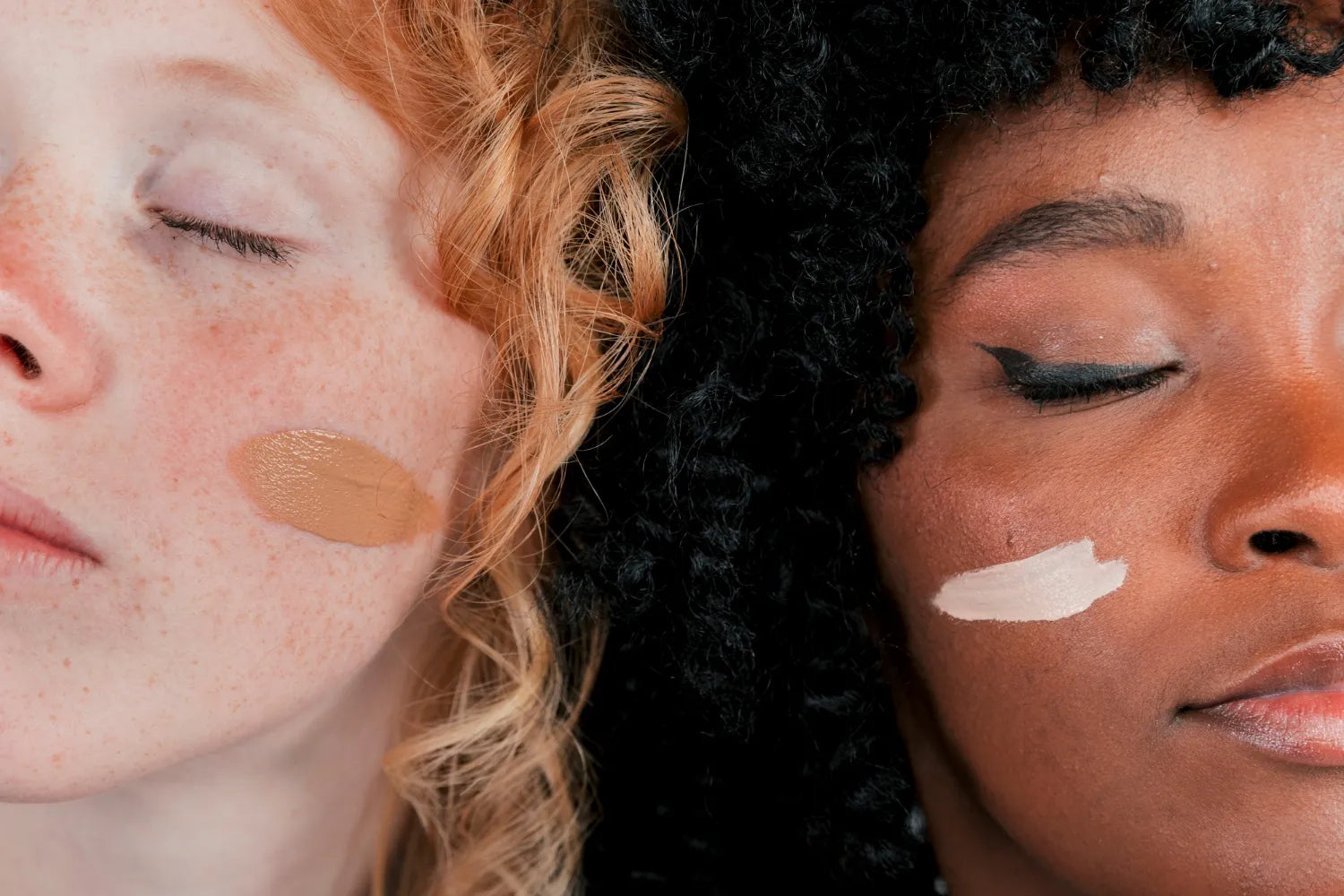
Understanding the main skin types.
What does “skin type” actually mean?
Your skin type refers to how your skin behaves most of the time, especially in its natural, untreated state. It is determined by genetics but can also be influenced by environment, age, hormones, and lifestyle.
The five main skin types are: Normal, Dry, Oily, Combination, and Sensitive. Recognizing your skin type helps you avoid trial and error and select products that actually work.

Normal skin – balanced and low maintenance:
Characteristics:
- Few visible imperfections.
- No strong reaction to products.
- Barely visible pores.
- Healthy, even tone.
People with normal skin have a balanced oil and moisture level. Their skincare can be minimalist but should still include cleansing, hydration, and sun protection. Use gentle cleansers, avoid over-exfoliating, and include antioxidants like vitamin C.
Dry skin – in need of moisture:
Characteristics:
- Tightness, especially after washing.
- Flaking or rough patches.
- Dull complexion.
- Invisible pores.
Dry skin lacks oil, making it prone to irritation and premature aging. It benefits from richer creams and nourishing ingredients like hyaluronic acid, ceramides, and squalane. Never skip moisturizer, even in summer – hydration is key.
Oily skin – managing excess shine:
Characteristics:
- Enlarged pores.
- Greasy appearance, especially in the T-zone.
- Prone to blackheads, acne, or breakouts.
Oily skin produces more sebum, which keeps the skin naturally moisturized but can clog pores. Use gel or foaming cleansers, choose non-comedogenic products, and use niacinamide or salicylic acid to regulate oil.
Combination skin – the tricky balance:
Characteristics:
- Oily in some areas (usually the T-zone).
- Dry or normal on the cheeks.
- Needs multi-zone care.
Combination skin requires a balanced routine. Often, it’s best to treat areas differently—using gentle cleansers for all zones but applying richer moisturizers only to dry areas.
Sensitive skin – gentle care required:
Characteristics:
- Redness or irritation.
- Burning, itching, or stinging sensations.
- Reacts quickly to weather or products.
Sensitive skin is reactive and needs soothing, minimal ingredients. Choose fragrance-free formulas and lukewarm water. Always patch-test new products before full use.

How to determine your skin type.
Understanding your skin type is essential before you invest in products. Fortunately, you don’t need a dermatologist to get started. Try the blotting sheet test to recognize how much oil your skin produces:
- Cleanse your face gently and wait for about an hour without applying products.
- Press a clean blotting sheet to the forehead, nose, cheeks, and chin.
- Examine the oil: Little oil suggests dry skin; oil in the T-zone only indicates combination; oil throughout suggests oily skin; minimal oil without dryness indicates normal skin.
Choosing skincare for each skin type.
- For dry skin: Use rich moisturizers with ceramides and nourishing face oils.
- For oily skin: Choose lightweight, non-comedogenic products with salicylic acid.
- For combination skin: Use balancing toners and consider multi-masking.
- For sensitive skin: Go for minimal-ingredient, fragrance-free formulas with centella asiatica.
- For normal skin: Maintain balance with a simple routine focusing on protection (SPF).
Enhance Your Routine with Lash & Brow Care
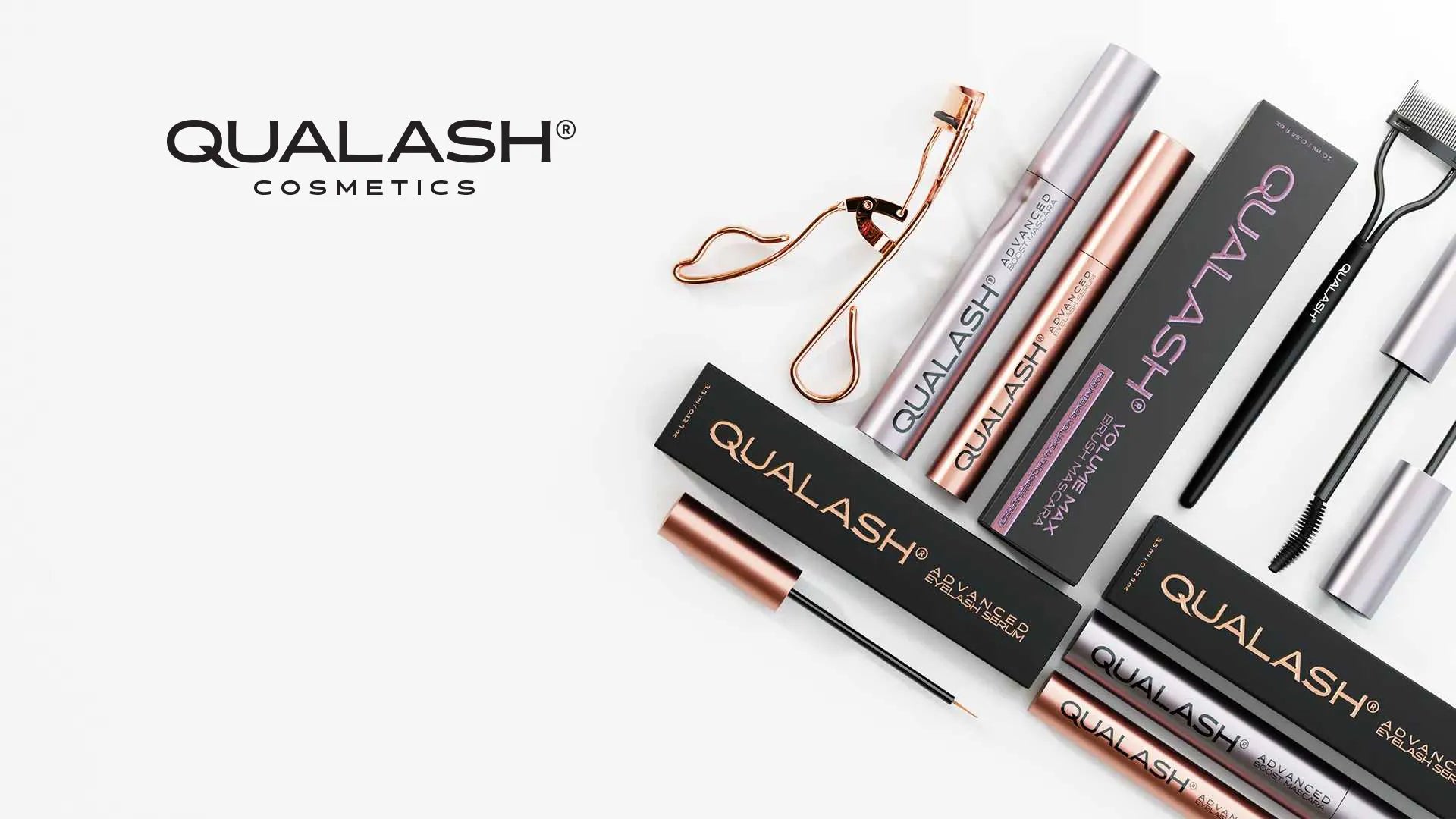
Beautiful skin deserves beautiful lashes. Pair your daily facial care with QUALASH® Eyelash Serum — enriched with peptides, biotin, and botanical extracts to promote longer, fuller lashes in just 25 days.
Shop NowConclusion – your skin, your strategy.
Understanding the types of skin and recognizing your own is the foundation of any effective routine. By learning the differences between dry, oily, sensitive, combination, and normal skin, you empower yourself to achieve healthier, glowing skin. Tailoring your strategy is about respecting your skin’s natural rhythm.
Frequently Asked Questions (FAQ)
1. Can I use the same product for dry and oily areas?
Yes, but it's more effective to target different areas with appropriate products — for example, a lightweight moisturizer on the T-zone and a richer one on dry cheeks.
2. How often should I exfoliate if I have oily skin?
2–3 times a week is usually safe for oily skin, especially with ingredients like salicylic acid. Avoid over-exfoliating to prevent irritation.
3. What if my skin type changes with the seasons?
That’s normal. In winter, skin tends to be drier, while summer can increase oiliness. Adjust your routine accordingly.
4. Are skin types affected by diet and stress?
Absolutely. What you eat and how you manage stress can influence oil production, inflammation, and skin sensitivity.
5. Do men and women have different skin types?
Both genders can have all skin types, but men's skin is generally thicker and oilier, which may affect product selection.
Emily Brown
Eyelash Serum Formulation Researcher at QUALASHEmily focuses on advanced eyelash serum formulations, ingredient technologies and modern lash-conditioning science. She contributes educational content designed to help users better understand the biological foundation of effective lash care.


